
Covered as the medical care it is.
Treating sleep apnea is medicine, and it is billed that way. The practice is a registered Medicare DME provider and verifies your benefits before treatment starts.
Oral appliance therapy for diagnosed obstructive sleep apnea is billed to medical insurance or Medicare, not to dental benefits. Dental Sleep Medicine of Charlotte is a registered Medicare DME provider, verifies your coverage before treatment begins, and files the claims on your behalf.
Why it is medical, not dental
Obstructive sleep apnea is a medical diagnosis, made by a physician from a sleep study. The appliance that treats it is classified as durable medical equipment. That is why it belongs on your medical card, and why sending it to a dental plan usually produces a denial or a far smaller benefit than you were entitled to.
It also explains why a general dental office often cannot bill it properly. A medical claim for sleep apnea requires a specific chain of documentation, and this practice is set up to produce it.
What Medicare looks for
Medicare coverage for a custom oral appliance rests on a documented chain: a face-to-face clinical evaluation by the treating physician, a sleep test interpreted by a physician that establishes the diagnosis, and a written order from that physician for the device, supplied by a Medicare-enrolled DME provider. Under Part B, durable medical equipment is generally paid at 80% of the approved amount once the annual deductible is met, with 20% coinsurance remaining unless a supplement covers it.
Coverage rules and payment amounts change, and every policy is different. Treat this page as an explanation of how the process works, not as a quote. The practice verifies your specific benefit and goes through what it found with you before treatment begins. Call (704) 978-7790 to start that.
The codes involved
- E0486
- Custom-fabricated, adjustable oral device used to reduce upper-airway collapsibility, including fitting and adjustment. The HCPCS code an oral appliance is billed under.
- G47.33
- Obstructive sleep apnea. The diagnosis that supports the claim, made by a physician from a sleep study.
- R06.83
- Snoring. Coded separately; apnea should be excluded before snoring is treated on its own.
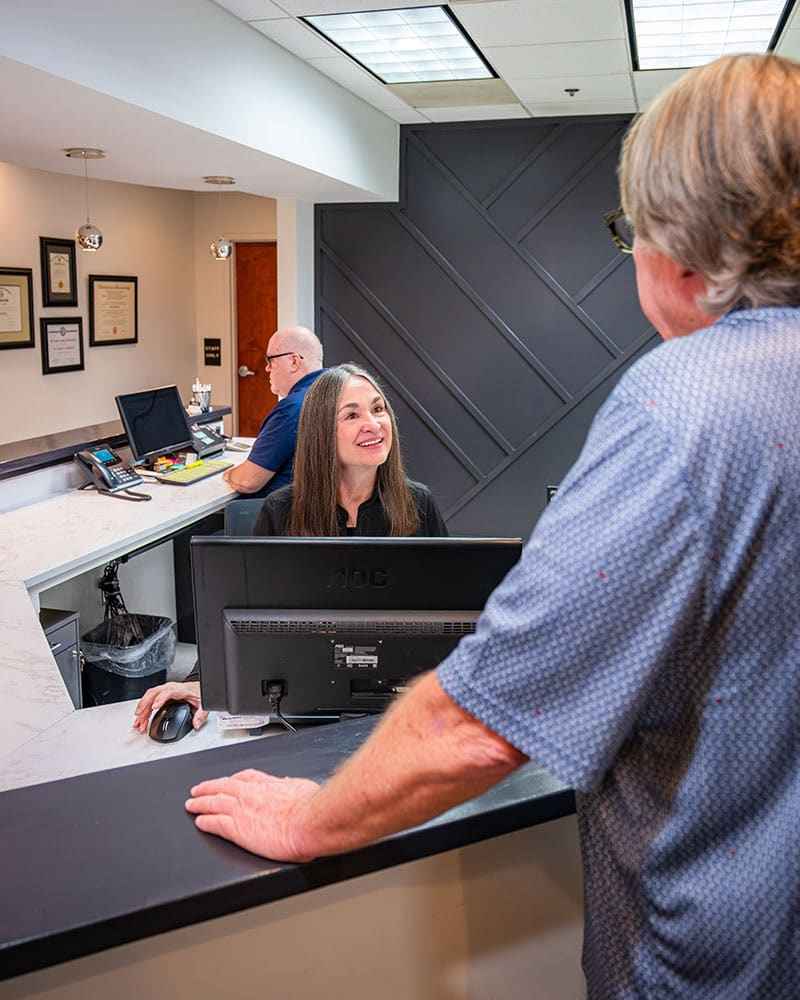
Four steps the office takes for you.
Benefit check
Before anything is made, we verify what your plan covers, where you stand on your deductible, and whether pre-authorization is required.
Documentation
We collect the sleep study, the physician's evaluation, and the written order that payers expect to see in the file.
You hear the number first
What the practice expects your plan to pay, and what it expects to fall to you, is discussed before treatment rather than after.
Claim filed for you
The practice submits and follows the claim, including any appeal, rather than handing you a receipt to submit yourself.
Coverage, answered.
Is oral appliance therapy covered by insurance?
Usually, yes, and under your medical plan rather than your dental plan. Oral appliance therapy for diagnosed obstructive sleep apnea is treated as durable medical equipment. Coverage still depends on your specific policy, your diagnosis, and the documentation, which is why the practice verifies benefits before treatment begins rather than after.
Do you accept Medicare?
Yes. Dental Sleep Medicine of Charlotte is a registered Medicare DME (durable medical equipment) provider, which means we can bill Medicare directly for oral appliance therapy that meets Medicare's coverage criteria.
What does Medicare require before it will cover an oral appliance?
Medicare's criteria for a custom oral appliance center on three things: a face-to-face clinical evaluation by the treating physician, a sleep test interpreted by a physician that documents obstructive sleep apnea, and a written order from that physician for the device. The appliance must be custom-fabricated and supplied by an enrolled DME provider. We confirm the current requirements against your specific case before treatment starts.
What will it cost me out of pocket?
That depends on your plan's deductible, your coinsurance, and whether the practice is in network for your policy. Under Medicare Part B, durable medical equipment is generally paid at 80% of the Medicare-approved amount once the annual deductible is met, leaving 20% coinsurance unless a supplement covers it. The practice checks this and tells you what to expect before treatment starts, rather than after.
Why will my dental insurance not pay for this?
Because sleep apnea is a medical diagnosis and the appliance is medical equipment, not a dental restoration. Dental plans generally exclude it. Filing it as a dental claim usually produces a denial, or a much smaller benefit than the medical claim you were entitled to.
Do you handle the paperwork?
Yes. The practice verifies benefits, requests any pre-authorization, assembles the documentation payers require, and files the claims. You are not asked to chase your own sleep study or negotiate with a claims line.
Is TMJ treatment covered too?
Frequently, and again under medical rather than dental benefits, but TMJ coverage varies far more between plans than sleep apnea coverage does, and some policies exclude it entirely. We check your specific plan and tell you what we find before treatment starts.
Clinically reviewed by Dr. Kathryn Sudikoff, DMD, Diplomate of the American Board of Dental Sleep Medicine.Reviewed

We will check your benefits before you commit.
A short conversation is the fastest way to find out whether we can help. Most sleep and TMJ care here is billed to medical insurance.